


-
Prep Time20 minutes
-
Cook Time30 minutes
-
Serving2
-
Serv Size1 bowl
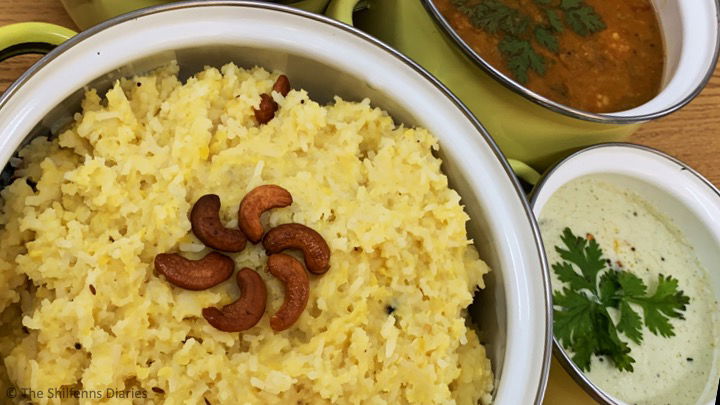
Ven Pongal is a beloved and comforting dish that holds a special place in the grand celebration of Pongal, Tamil Nadu’s harvest festival. This ghee-rich, mildly spiced preparation made from rice and moong dal is known for its smooth, creamy texture and the gentle aroma of roasted pepper, cumin, and curry leaves. Together, the sweet and savory Pongals symbolize abundance and balance, reflecting the harmony of flavors and blessings in the harvest season.
Traditionally, Ven Pongal is served piping hot with hearty sambhar and fresh coconut chutney, making it a complete, soul-satisfying meal. Its rich aroma fills homes and kitchens alike during the festive days, offering comfort and warmth to both family gatherings and community feasts. Whether enjoyed as part of the grand Pongal spread or as a wholesome breakfast year-round, Ven Pongal embodies the heart of Tamil cuisine — simple, flavorful, and deeply connected to its cultural roots.
Ingredients
For the Pongal:
For the Chutney:
For the Sambar:
Directions
Now that you’ve gathered all your ingredients, it’s time to bring this comforting, ghee-rich, and mildly spiced Ven Pongal to life. Follow these steps closely for the perfect soft, melt-in-the-mouth texture. For the best results, roast the moong dal until fragrant before cooking. This enhances the flavor and gives your Pongal that authentic, festival-day taste.
Prepare the coconut chutney mixture: In a mixie blender, combine the grated coconut, roasted channa dal, green chillis, salt, and water, along with 2 sprigs of fresh curry leaves. Grind to a smooth paste, adjusting the water for desired consistency.
Temper the chutney: Heat about 2 tablespoons of oil in a small pan. Add the dried red chilli, mustard seeds, and the remaining curry leaves, allowing them to sizzle and release their aroma. Pour this tempering over the ground coconut mixture and stir well to combine.
Roast and cook the dal for sambar: In a wok, roast the toor dal over high heat until it turns golden brown and the raw aroma disappears. Transfer to a pressure cooker, add 1 cup of water, 1 teaspoon ghee, and ½ teaspoon salt. Cook for about 4 whistles until the dal is soft. Once cooked, mash the dal to a smooth, pasty consistency.
Prepare tamarind water: Place the tamarind in a bowl and add ½ cup of hot water. Let it soak while the rest of the ingredients cook. Mash the softened tamarind and extract the juice, discarding any residue. Strain if necessary.
Cook the vegetables and masala: In a separate pot, heat oil and temper the mustard seeds, dried red chillis, green chilli, and curry leaves. Add the onions and sauté until translucent. Mix in the sambar powder, asafoetida, and roasted fenugreek powder, sautéing until the spices release their aroma. Add the remaining vegetables, along with 1 teaspoon salt, and coat them well in the masala.
Simmer the sambar: Pour in about 1 cup of water, bring to a boil, then reduce the heat and simmer, covered, until the vegetables are tender. Add more water if needed. For a quicker method, you can pressure cook the vegetables.
Finish the sambar: Once the vegetables are cooked, stir in the tamarind water and the cooked, mashed dal. Adjust water and salt to your taste. Bring the sambar to a boil; if it’s too watery, simmer until slightly thickened. Turn off the heat and garnish with fresh coriander leaves.
Roast the dal for the ven pongal: In a dry pan, roast the moong dal until fragrant. In a large pot, heat 2 tablespoons of ghee and sauté the roasted dal along with the rice for a minute or two.
Cook the rice and dal: Add water and salt, stir well, and bring to a boil. Reduce the heat to low, cover, and cook until the rice is soft and creamy. Alternatively, pressure cook for 3-4 whistles to save time.
Prepare the tempering: In a separate pan, heat the remaining ghee and fry the cashews until golden brown. Remove and set aside. In the same ghee, temper curry leaves, cumin seeds, black pepper, green chilli, dried red chillis, and ginger paste, cooking until the ginger turns golden.
Assemble the ven pongal: Pour the tempering and cashews into the cooked rice and dal mixture. Stir until well combined and fragrant. Serve hot, accompanied by the prepared sambar and coconut chutney for a complete, traditional meal.
Conclusion
Your fragrant Ven Pongal is now ready to serve! Pair it piping hot with a generous ladle of sambhar and a side of fresh coconut chutney for a truly traditional experience. Each bite will remind you of the warm, hearty flavors of Tamil Nadu’s harvest festival — comfort food at its finest.

Leave a Review